

Temitayo Adekola writes about the experiences African society would rather look away from. His novelette Trauma, first written in 2021 and re-released in 2026, gives voice to pain that is too often hidden or dismissed. On The Lane, he traces the journey from observer to storyteller.
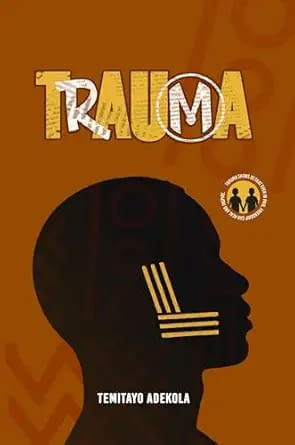
Temitayo Adekola is a Nigerian writer whose work circles the things most people would rather not talk about. His novelette Trauma threads together dyslexia, sickle cell anaemia, and abiku mythology to tell the story of a boy misunderstood by the society around him. Originally written in 2021, Adekola has re-released the work in 2026, convinced that the conversations it opens are more urgent now than when he first put it down. In this edition of The Lane, he traces the path from childhood reader to storyteller, and explains why the silent struggles of others became the centre of his creative life.
I realised I wanted to become a writer at a young age, when I found myself drawn to storytelling not just as a reader, but as someone who wanted to create meaning through words. It started with observing people, emotions, and situations around me, and then trying to express them in my own way. The journey has not been straightforward. It has been filled with growth, self-discovery, and moments of doubt. Over time, writing became more than a passion; it became a way for me to understand the world and give voice to experiences that are often left unspoken.
I was shaped by stories that carried both cultural and moral weight. African literature played a strong role, especially works by Wole Soyinka. I was also drawn to dramatic texts and stories that explored human struggle, identity, and consequence. Beyond books, I have always loved films, especially Nigerian epic movies and legal dramas, and movies that make me think deeply and surprise me with unexpected plot twists.
When it comes to what I am reading right now, I have The 48 Laws of Power by Robert Greene, The Way of the Superior Man by David Deida, and Don’t Tell Daddy What Happened in Lagos by Yemi Odunfa. I am currently drawn to books that encourage self-awareness, growth, and reflection, while still balancing that with a touch of fiction. I am at a stage in my life where self-reflection is very important to me.
When it comes to how I actually write, it usually starts with a strong emotional or social idea, something that resonates deeply within me. I sit with it, develop the characters, and allow the story to build naturally. I write freely at first without overthinking structure. After that comes refinement, editing, and reshaping until the message is clear and impactful. I focus heavily on the emotional truth of the story.
Preparation is part of the process too. I do not just rely on surface-level information; I try to understand the emotional and psychological reality behind the subject. This can involve reading, observing, and sometimes having real conversations with people who have experienced similar situations. I do this a lot. I also reflect a lot, because many of the themes I write about are rooted in human behaviour and societal patterns. Preparation for me is not just about facts; it is about capturing truth in a way that feels real and relatable.
| Phase | What Happens |
|---|---|
| Spark | A strong emotional or social idea that resonates deeply |
| Development | Sitting with the idea, developing characters, letting the story build naturally |
| Free Draft | Writing freely without overthinking structure |
| Research | Reading, observing, and having real conversations with people who have lived the experience |
| Refinement | Editing and reshaping until the message is clear and impactful |
| Emotional Check | Ensuring the emotional truth of the story holds throughout |
“I am naturally drawn to uncommon and often overlooked experiences, the kind of struggles people go through that society either ignores or avoids.”
Trauma was inspired by the silent battles many people carry, especially in African societies, particularly in Nigeria, where pain is often hidden or misunderstood. I wanted to give a voice to those internal struggles and show how deeply they affect identity, behaviour, and relationships. I also explored themes like sickle cell and dyslexia, conditions that are still not widely discussed, especially in public school systems.
People often ask why I brought the story back now, five years after writing it. The themes of pain, identity, mental struggle, and societal misunderstanding have never become outdated. If anything, they have become even more relevant. People will always connect with these experiences in one way or another. I felt that now, more than ever, the world is more ready for honest conversations about trauma and mental health issues that affect people daily.
Looking ahead, I want to move beyond psychological conflict, societal pressure, and identity, and possibly explore love from a deeper perspective. At the same time, I am interested in shedding light on conditions like albinism and vitiligo, and how they are often misunderstood, especially in African settings. My goal is to continue telling stories that challenge perception and create awareness.
“I believe storytelling should challenge harmful beliefs, educate, and create empathy, because real change often begins with understanding.”
As for the conversations I hope my work opens up, I want my stories to spark honest dialogue about the things people often avoid. Topics like trauma, mental health, identity, and misunderstood conditions deserve more attention and empathy. I want readers to question what they think they know, and to become more aware of the silent struggles others carry. More importantly, I hope my work encourages people to speak, reflect, and see beyond surface judgments.
Storytelling and literature have a powerful role in shaping perception and breaking down ignorance. In many African societies, certain issues are either misunderstood or not discussed at all. Literature creates a safe space to explore these realities without fear or stigma. It allows people to see different perspectives and humanise experiences that are often judged from a distance.
| Title | Author | Why It Matters |
|---|---|---|
| The 48 Laws of Power | Robert Greene | Self-awareness and growth |
| The Way of the Superior Man | David Deida | Self-reflection and personal development |
| Don’t Tell Daddy What Happened in Lagos | Yemi Odunfa | Balancing non-fiction reading with a touch of fiction |
Every creative has a story that brought them here. First-person interviews with creatives across industries. Each issue is in partnership with, and guest-curated by a different organization.
Read the full series →Free · Weekly · Unsubscribe any time

Rapid Fire with Qudrah Adam, the Author Rewriting Muslim Woman


Comments
No comments yet — be the first to share your thoughts.