The Moveee Logo
FeedDiscoverEditorials
Editorials
  • Latest Stories
  • Culture
  • Portraits
  • Dispatches
  • Newsletter
Community
  • Moveee
  • People Near Me
  • Happenings
  • Origins
  • Visuals
  • Quotes
Play
  • All Games
  • Culture Trivia
  • Who Said It?
  • Culture Directory
Lifestyle
  • Moveee Shop
  • Vetted Makers
  • Shipping & Returns
  • Become a Member
  • My Account
Company
  • Contact
  • Privacy Policy
  • Cookie Policy
  • Terms of Use
  • AI Use Policy
Follow Us

Don't miss out on the latest stories by signing up for our newsletter.

By subscribing, you agree to our Terms of Use and Privacy Policy.

© 2026 The Moveee. All Rights Reserved. The Moveee® is a trademark of The Moveee Ltd.
Terms & Conditions|Privacy Policy|Cookie Policy|Contact
Your Cart

Your cart is empty.

Home / Editorials / Reviews / Dream Count review: Chimamanda Ngozi Adichie’s Fragments of the Female Self
Dream Count review: Chimamanda Ngozi Adichie’s Fragments of the Female Self
★ Reviews · Nigeria

Dream Count review: Chimamanda Ngozi Adichie’s Fragments of the Female Self

Dream Count is not the sweeping saga of Adichie’s acclaimed Americanah or the generational epic of Half of a Yellow Sun. Instead, it’s a finely-wrought,…

Words by
Eniola Emmanuel
Published
Sun, 3 August 2025
Reading time
2 minutes
Contents▾
  • Full article
Writer
Eniola Emmanuel
Location
Nigeria
Section
Reviews
Series
The Free Critics
Industry
Literature

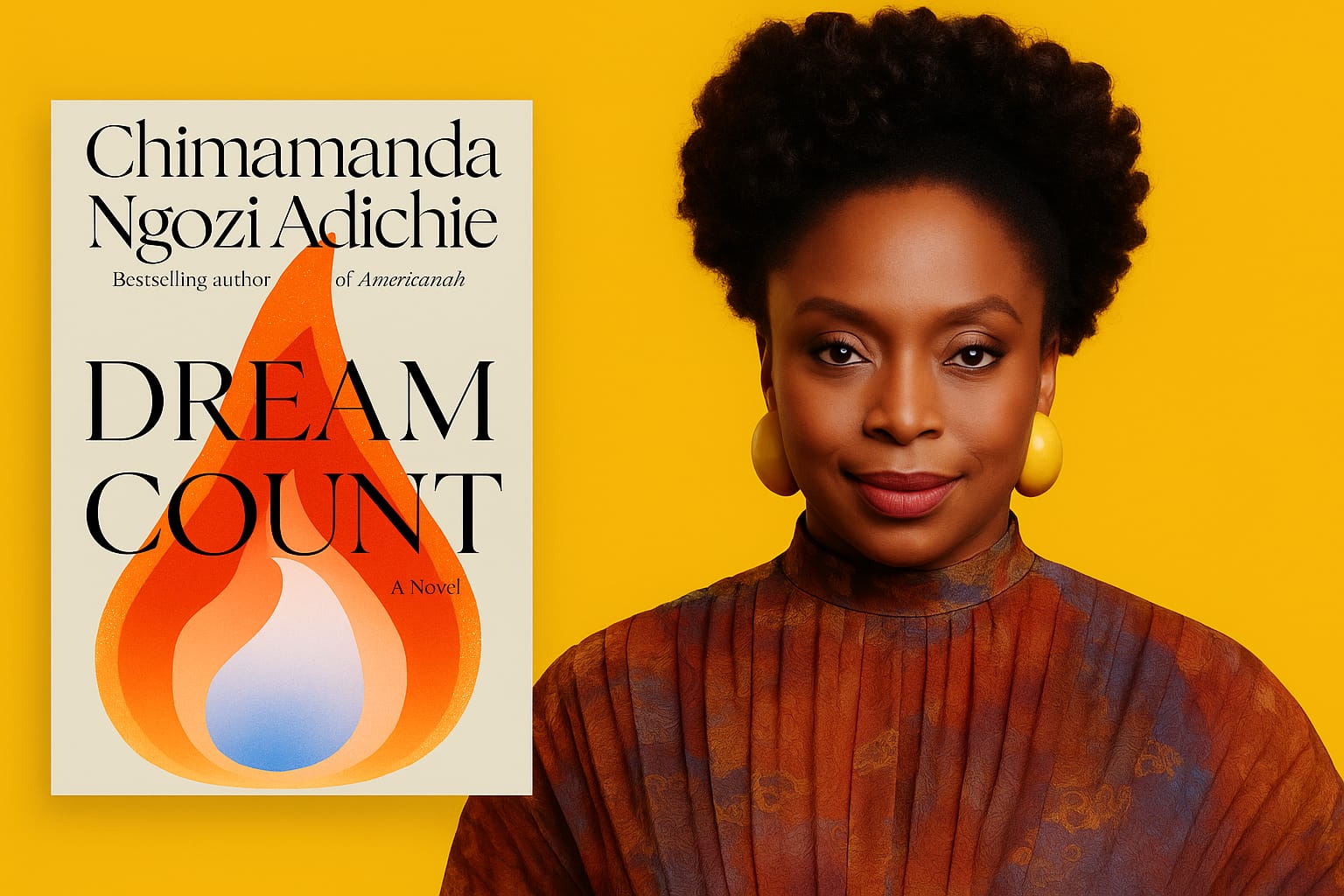
Dream Count is not the sweeping saga of Adichie’s acclaimed Americanah or the generational epic of Half of a Yellow Sun. Instead, it’s a finely-wrought, introspective novel that feels both intensely personal and universally resonant. After a decade-long hiatus from fiction, Adichie returns with a book that operates on a smaller, more intimate scale, exploring the inner lives of four interconnected women grappling with love, longing, and identity.

The novel is structured around the perspectives of Chiamaka, a Nigerian travel writer living in the U.S.; Zikora, her best friend and a high-powered lawyer; Omelogor, her brash and successful cousin; and Kadiatou, her Guinean housekeeper. Adichie uses these characters to weave a tapestry of modern womanhood, touching on everything from the subtle misogyny of online dating to the quiet dignity of a mother’s sacrifice. Her prose remains as sharp and incisive as ever, effortlessly shifting between moments of searing emotional honesty and insightful social commentary. The dialogue is authentic, the observations are acute, and the descriptions are so vivid you can almost feel the texture of the characters’ lives.

However, the novel’s greatest strength—its non-linear, character-driven structure—can also be its most challenging aspect. The plot often feels less like a cohesive narrative and more like a series of compelling vignettes. This approach allows for a deep dive into each woman’s psyche, but some readers may find the lack of a traditional, driving plot frustrating. The social commentary, while often brilliant, occasionally veers into the didactic, particularly through the outspoken voice of Omelogor, who critiques American “woke” culture with a fervour that can sometimes feel more like an author’s sermon than a character’s genuine opinion.

Dream Count is a brilliant and necessary novel. It may not satisfy those looking for a grand, cinematic story, but it will richly reward readers who appreciate Adichie’s masterful command of language and her unparalleled ability to dissect the female experience. It is a book about the dreams we count—the loves we’ve lost, the futures we imagine, and the silent reckonings that define who we are. It’s a powerful and welcome return for one of our generation’s most important literary voices.

Comments

Sign in to leave a comment.

No comments yet. Be the first to share your thoughts.

★ Culture Drop

Culture in your inbox, every Tuesday.

Film picks, exhibition openings, music worth your time. No noise.

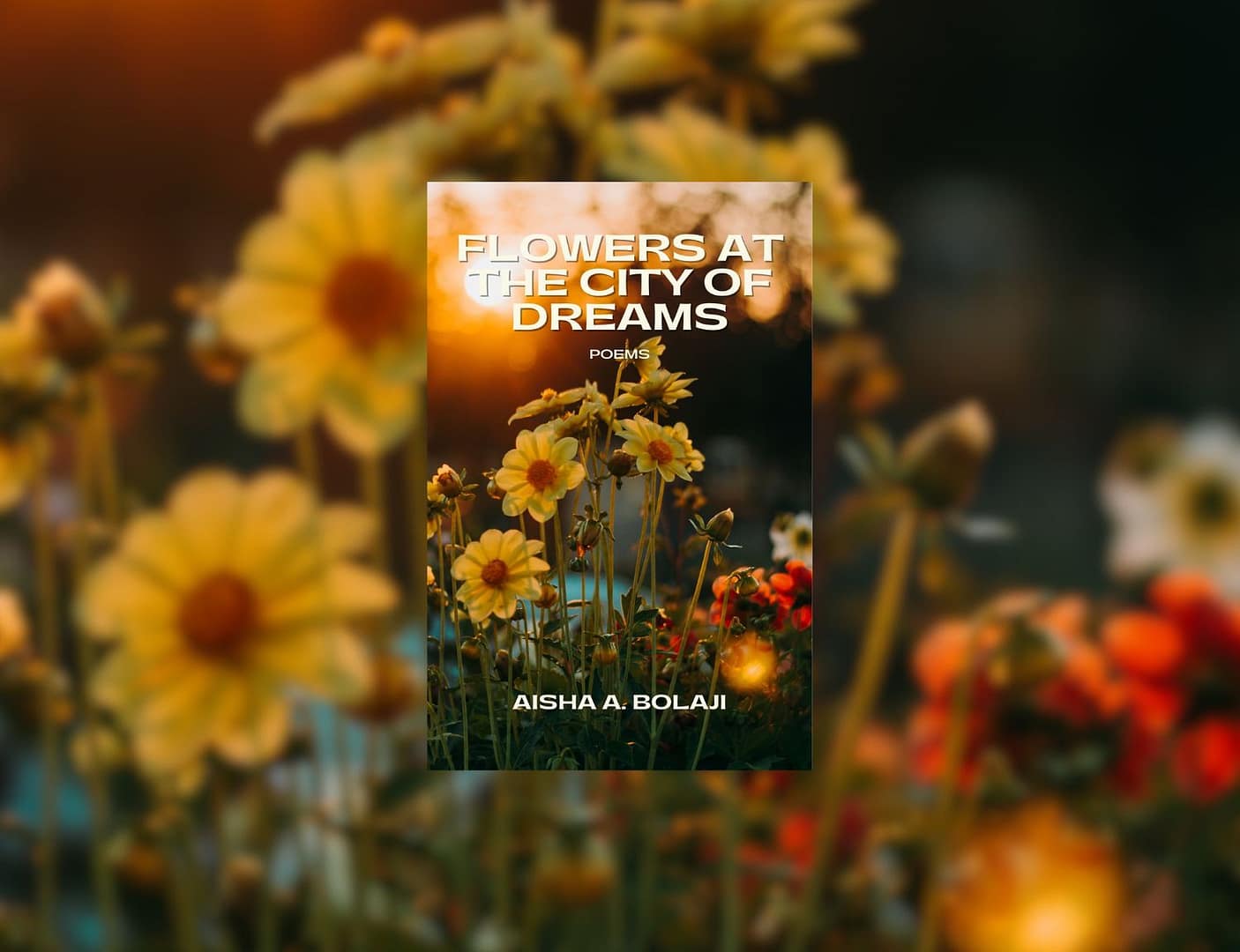
Aisha A. Bolaji Tends to the Wounds of Girls in Full Bloom in Flowers at the City of Dreams
Reviews
Aisha A. Bolaji Tends to the Wounds of Girls in Full Bloom in Flowers at the City of Dreams

When you pick up Aishat A. Bolaji’s Flowers at the City of Dreams, you should read the dedicat…

Read →
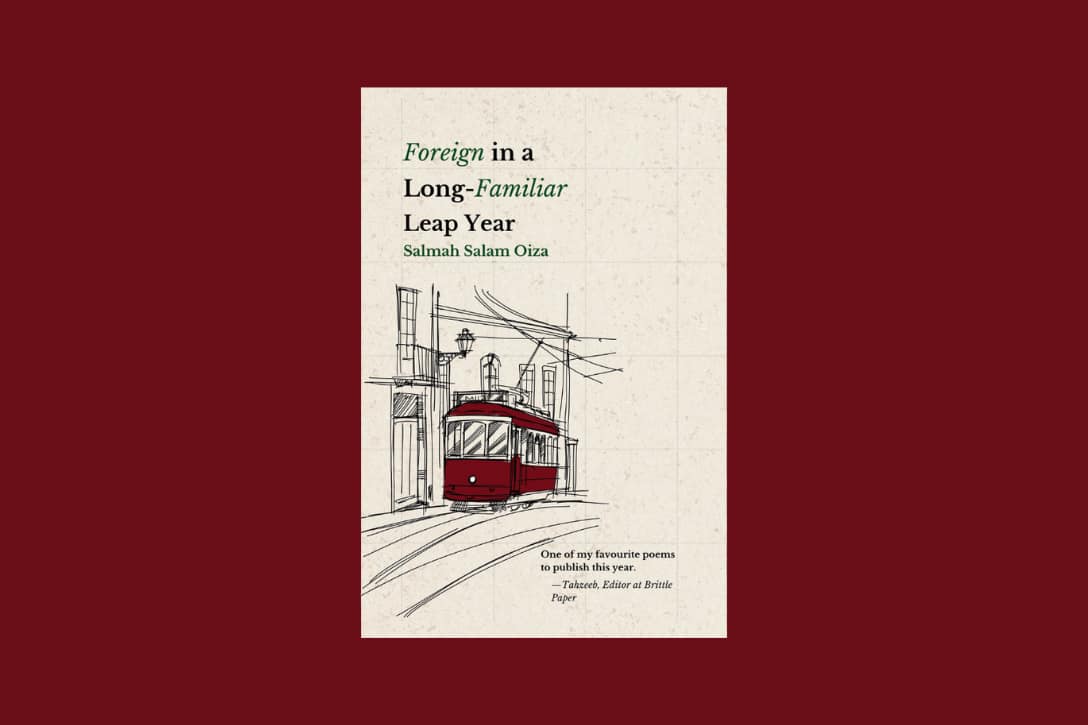
Immigration Becomes an Unmaking in Salmah Salam Oiza’s Foreign in a Long-Familiar Leap Year
Reviews
Immigration Becomes an Unmaking in Salmah Salam Oiza’s Foreign in a Long-Familiar Leap Year

In modern Nigerian culture, the “Japa” story is typically framed as a binary: success or tragedy. Sa…

Read →
From the archive

Explore the full magazine

Browse all essays, interviews, and dispatches from The Moveee editorial team.

All stories →
Eniola Emmanuel
Words by
Eniola Emmanuel

Culture, lifestyle, and heritage — curated from Lagos, London, Accra, and beyond. Long-form essays and visual stories that document the things that matter.

More by Eniola →

Keep reading

All stories →
Aisha A. Bolaji Tends to the Wounds of Girls in Full Bloom in Flowers at the City of Dreams
Reviews

Aisha A. Bolaji Tends to the Wounds of Girls in Full Bloom in Flowers at the City of Dreams

24 May 2026
Immigration Becomes an Unmaking in Salmah Salam Oiza’s Foreign in a Long-Familiar Leap Year
Reviews

Immigration Becomes an Unmaking in Salmah Salam Oiza’s Foreign in a Long-Familiar Leap Year

16 January 2026
Ayo Deforge Paints the Woman as a Round Character in the Romantic World of Under the Rain
Reviews

Ayo Deforge Paints the Woman as a Round Character in the Romantic World of Under the Rain

3 December 2025